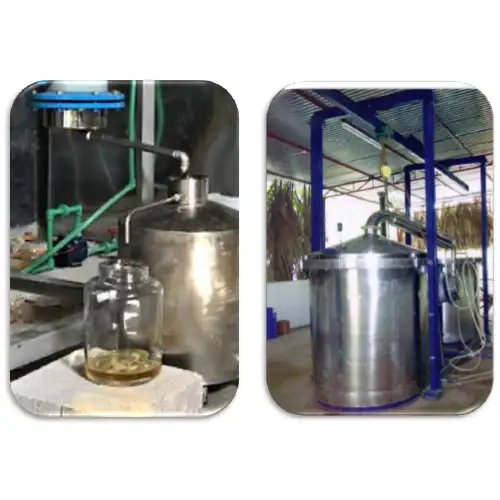
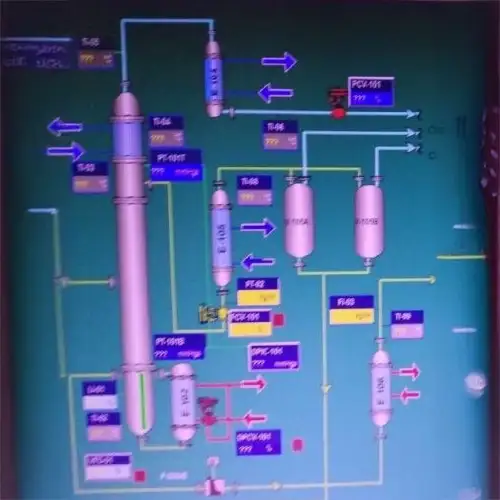
Nicotine, a principal alkaloid in tobacco leaves, has widespread applications in the pharmaceutical, agrochemical, and e-cigarette industries. This dissertation investigates the extraction of nicotine using various solvents—ethanol, water, acetone, and hexane—to determine the most effective medium in terms of yield and purity. Through comparative solvent extraction, the influence of solvent polarity, pH, and temperature on nicotine yield was assessed. Analytical techniques including titration, UV-visible spectroscopy, and gas chromatography were employed to quantify extracted nicotine. Results show that ethanol offers the highest yield and recovery efficiency, followed by acetone. Water demonstrated low extraction capability due to nicotine’s limited solubility in aqueous media. The study also highlights global nicotine production and consumption patterns, particularly the shift from smoking-based usage to therapeutic nicotine applications. This research contributes to optimizing nicotine extraction for scalable industrial applications.
Get In Touch With C.C.P Consultant For Reliable And Efficient Industrial Plant Solutions.
Related Products